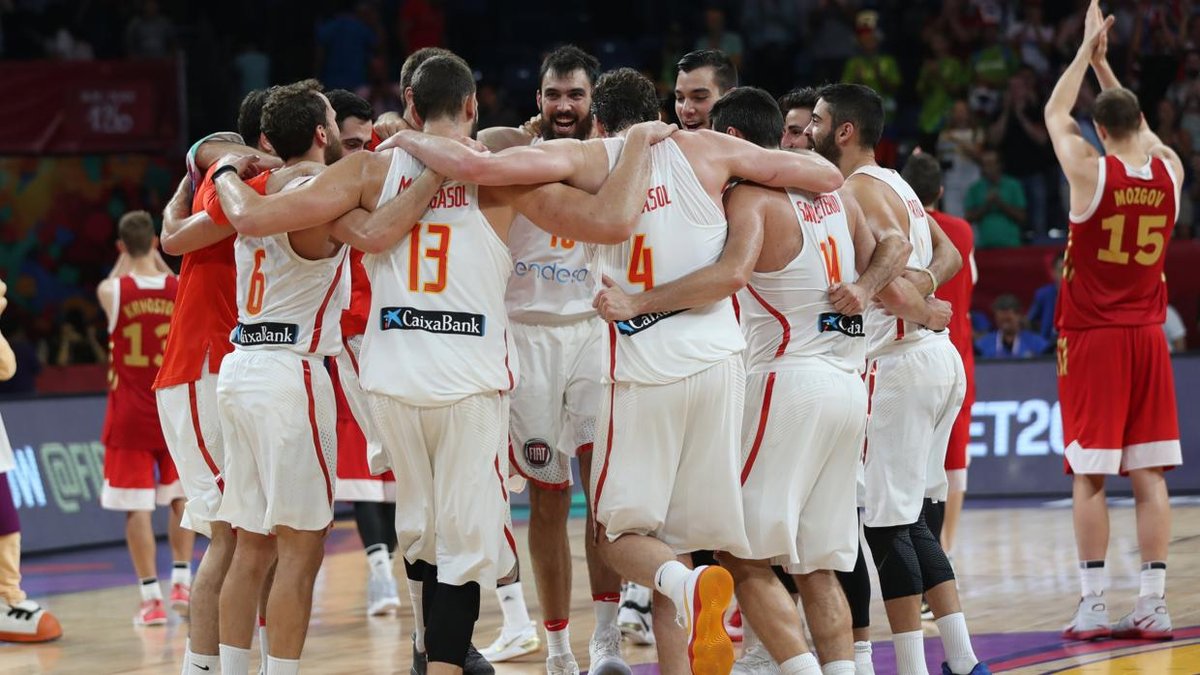
When a football team takes the field, every tackle, every goal, and every point earned isn't just a moment of sporting glory; it's a direct transaction with the club's financial future. The profound "Impacto en Posiciones y Competiciones"—the effect on standings and participation in various tournaments—is the invisible hand shaping everything from player salaries and transfer budgets to stadium upgrades and community outreach programs. Far from being confined to the sports pages, a club’s on-field performance is front-page news for its balance sheet, dictating its financial health and long-term trajectory.
The stakes are higher than ever in the modern game, where European qualification isn't merely about prestige but about survival and prosperity. Whether it's the thrilling race for a Champions League spot or the desperate fight against relegation, these battles directly fuel the engine of club finances, influencing every decision made off the pitch.
At a Glance: How On-Field Performance Powers Club Finances
- Financial Lifeline: European competition qualification (like the Champions League or Europa League) unlocks massive revenue streams through TV rights and prize money.
- Business Magnet: Consistent success attracts top-tier sponsors, boosting commercial income and brand visibility.
- Talent Retention & Acquisition: Financial stability allows clubs to retain star players, attract new talent, and invest in youth development.
- Infrastructure Growth: Increased revenue supports improvements in stadiums, training facilities, and club academies, enhancing long-term competitiveness.
- Economic Ripple Effect: Successful clubs contribute significantly to local economies through employment, tourism, and business engagement.
- League Format Matters: Promotion/relegation systems (like in European football) offer high rewards but also high risks, while closed leagues (like the NBA) provide greater financial stability.
- Squad Depth is King: Managing multiple competitions simultaneously requires large, deep squads and smart rotation, necessitating significant investment in personnel.
The Golden Ticket: Why European Spots Are More Than Bragging Rights
For Spanish clubs, and indeed for top-flight teams across Europe, the scramble for continental qualification is a high-stakes gamble with tangible financial returns. Securing a spot in the UEFA Champions League or Europa League represents both significant sporting recognition and a vital influx of income. Think of it as the ultimate prize money pool, combined with enhanced television rights and increased merchandising opportunities.
Qualifying for these elite tournaments can transform a club's financial standing overnight. The prize money alone can be substantial, often enough to cover a significant portion of a star player's annual salary or fund crucial infrastructure projects. Beyond direct payments, the global exposure from these competitions exponentially increases a club's appeal to international broadcasters and commercial partners. Clubs effectively become global brands, reaching millions of new fans and unlocking lucrative marketing opportunities.
Fueling the Business Engine: How Performance Powers the Entire Organization
The financial benefits of on-field success extend far beyond direct prize money. They permeate every facet of a club's operations, creating a virtuous cycle where sporting achievement feeds financial strength, which in turn enables further sporting success.
Sponsorship & Endorsements: Attracting Bigger Brands
Winning teams and those consistently challenging at the top attract more prominent and lucrative sponsorship deals. A club competing in the Champions League, for instance, offers sponsors unparalleled visibility, not just within their domestic market but across Europe and globally. Major corporations are willing to invest significantly to associate their brand with successful football clubs, leading to multi-million Euro agreements for shirt sponsorships, stadium naming rights, and official partnerships. This capital infusion is critical for operational budgets, allowing clubs to invest more heavily in their squads and facilities.
Player Value & Retention: Keeping Stars, Developing Talent
A club with consistent European qualification is far more attractive to top players. Not only can it offer higher wages and better bonuses due to increased revenue, but it also provides the platform for players to compete at the highest level, enhancing their careers and market value. This makes it easier to retain key players, fending off interest from rival clubs, and also to attract high-caliber new signings. For emerging talents, the prospect of playing in Europe is a powerful draw, helping clubs identify and secure the next generation of stars. This ability to attract and retain talent is a crucial long-term competitive advantage.
Infrastructure & Development: Building for Tomorrow
Financial stability from consistent on-field success allows clubs to make strategic investments in their core assets: stadiums, training grounds, and youth academies. Modern, fan-friendly stadiums not only boost matchday revenue but also create year-round event spaces. State-of-the-art training facilities are essential for player performance and injury prevention, while robust youth academies are crucial for developing homegrown talent, reducing reliance on expensive transfer market purchases. These investments aren't just about immediate returns; they are about building a sustainable, competitive future for the club.
The Economics of Competition Formats: Open vs. Closed Leagues
The very structure of a sporting competition significantly impacts the financial landscape for its participating teams. We primarily see two models: open leagues with promotion and relegation, common in European football, and closed leagues, prevalent in North American sports like the NBA and NFL. Each presents a distinct set of economic realities.
In European football, the promotion and relegation system is a powerful driver of investment and competitive quality. Every match, particularly towards the end of the season, carries immense weight. For teams battling for promotion, the financial uplift of reaching a top-tier league is monumental, unlocking vastly higher television rights, sponsorship opportunities, and gate receipts. Conversely, the threat of relegation can be financially devastating, drastically reducing visibility, income, and player values. This inherent risk creates a dynamic, high-stakes environment that fuels fan engagement but also introduces significant economic volatility for clubs.
Consider the contrast with closed leagues like the NBA or NFL. Here, franchises are permanent members of the league, eliminating the existential financial threat of relegation. This model offers clubs greater financial stability and reduces immediate risk, making long-term planning and investment easier. While there's no "promotion bonus," revenue sharing agreements and robust collective bargaining agreements often ensure a more even distribution of wealth across the league. This stability can attract a different kind of investor and allow for more consistent development programs, though some argue it can reduce the competitive intensity of every single game.
Both systems have proven successful, but they demand different financial strategies. European clubs must constantly balance risk and reward, investing to stay competitive and avoid the financial abyss of relegation, while North American franchises can plan with greater certainty, focusing on market growth and sustained team building within a more predictable financial framework.
Navigating the Gauntlet: Squad Depth and Multi-Competition Demands
One of the most significant challenges for successful clubs is managing the demands of multiple competitions simultaneously. Competing in the domestic league, domestic cup competitions, and European tournaments like the Champions League stretches even the wealthiest squads to their limits. This isn't just a tactical problem; it's a profound financial one.
To effectively compete on several fronts, a club needs a large, deep squad. This means having not just a strong starting XI, but also a bench brimming with capable players who can step in without a significant drop in quality. Acquiring and maintaining such a squad requires substantial investment in player salaries, transfer fees, and scouting networks. Injuries, inevitable in a grueling season, only exacerbate the need for depth. Clubs must employ effective rotation strategies to keep players fresh, prevent burnout, and minimize the risk of injury, all while maintaining a high level of performance across all competitions. This delicate balancing act demands meticulous planning from coaching staff and robust financial backing from club management.
Failing to manage multiple competitions can lead to a vicious cycle: a lack of squad depth results in fatigue and injuries, which impacts performance in the league, potentially costing European qualification for the following season, and ultimately hurting the club's financial standing. It’s a tightrope walk where every player, every substitution, and every tactical decision has implications that resonate far beyond the final whistle. Big matches, such as those between América vs LAFC matches, often exemplify the need for such depth, where one or two key absences can dramatically shift the competitive balance.
Revenue Streams Beyond the Stadium: The Modern Club's Financial Engine
While matchday revenue (ticket sales, concessions) remains important, modern football clubs generate the bulk of their income from sources that extend far beyond the stadium gates. These revenue streams are intrinsically linked to a club's on-field performance and its resulting global brand appeal.
Television Rights: The Biggest Slice of the Pie
For most top-tier clubs, television broadcasting rights are the single largest source of income. Leagues negotiate massive collective deals with broadcasters, distributing funds to clubs based on factors like league position, historical performance, and match prominence. European competitions, particularly the Champions League, also have their own lucrative broadcasting agreements. The global demand for live football is immense, with broadcasters willing to pay billions to secure exclusive rights. This influx of capital directly underpins club budgets, allowing for higher player wages, transfer spending, and operational costs. The transition to digital platforms and live streaming has further expanded the market, reaching a global audience and opening new avenues for subscription and advertising revenue.
Merchandising & Global Reach: Expanding the Brand
A club's success translates directly into increased demand for official merchandise—jerseys, scarves, memorabilia. For globally recognized clubs, merchandising sales can generate tens of millions annually. The emotional connection fans have with their team is a powerful purchasing driver, and this loyalty can be leveraged through a wide range of products. Effective global distribution networks and targeted marketing campaigns are crucial for maximizing this revenue stream. The ability to engage fans worldwide, whether through touring, digital content, or localized product offerings, solidifies a club's brand and diversifies its income base beyond purely sporting performance.
The Ripple Effect: Local Economies and Regional Impact
The economic footprint of professional sports clubs extends far beyond their immediate financial statements. These organizations are significant economic actors, generating substantial benefits for local economies and regions.
Clubs are major employers, directly providing jobs for players, coaches, medical staff, administrative personnel, and stadium operators. Indirectly, they create employment for a vast network of suppliers, from catering companies and security firms to merchandise manufacturers and local transport providers. A successful club attracts tourism, with fans traveling to attend matches, spending money on accommodation, food, and local attractions. This influx of visitors stimulates local businesses and contributes to regional GDP.
Furthermore, major sporting events and successful clubs can attract foreign investment, as businesses look to capitalize on the economic activity and brand visibility associated with the sport. The development and maintenance of sporting infrastructure—stadiums, training centers—also represent significant investment in local communities, improving facilities that can often be shared or used for other community purposes. The impact is multifaceted, benefiting a wide array of stakeholders, from individual employees to national tax coffers.
Real-World Examples: Giants and Underdogs
The vast economic impact of professional sport is evident across various leagues and sports worldwide. La Liga in Spain, with giants like Real Madrid and Barcelona, generates billions through TV rights, sponsorships, and gate receipts, extending its influence into advertising, tourism, and real estate. These clubs are not just football teams; they are global entertainment brands.
In the United States, leagues like the NBA and NFL are similarly massive economic powerhouses, generating billions of dollars annually. Their closed league systems, robust revenue sharing, and powerful media contracts create incredibly stable and profitable ecosystems for their franchises. Beyond the behemoths, even leagues like the Indian Premier League (IPL) in cricket and smaller baseball leagues in the U.S. contribute significantly to local economies, creating jobs, attracting tourism, and boosting regional pride and commerce. Each league, with its unique competitive structure, proves that on-field contests are inseparable from off-field financial realities.
Strategic Investments: Building for Sustainable Success
Achieving consistent success and the financial benefits it brings isn't a matter of luck; it's the result of strategic, long-term investment. Clubs that consistently qualify for European competitions and maintain a strong financial footing typically exhibit several key traits:
- Talent Identification & Development: Investing heavily in scouting networks and youth academies ensures a pipeline of talent, reducing reliance on expensive transfers. Developing players from within creates assets and reinforces club identity.
- Smart Transfer Policy: A balanced approach to transfers, combining shrewd acquisitions with strategic sales, can generate significant revenue and maintain squad quality without overspending.
- Financial Prudence: Strong financial management, including salary caps or strict wage-to-revenue ratios, helps clubs avoid overextending themselves and ensures long-term solvency.
- Global Brand Building: Proactive marketing, digital engagement, and international tours help grow the club's fanbase and commercial appeal worldwide.
- Infrastructure Modernization: Continuous investment in stadiums, training facilities, and technology keeps the club competitive on and off the pitch.
Ultimately, sustained success requires a holistic approach where sporting ambition is matched by sound business practices. The goal is to create a self-sustaining ecosystem where on-field triumphs fuel off-field prosperity, allowing the club to reinvest and compete at the highest level year after year.
Common Questions About Club Finances & On-Field Performance
How does relegation affect a club's finances?
Relegation can be financially devastating. It often leads to a drastic reduction in television revenue, decreased sponsorship deals, lower gate receipts, and a potential exodus of high-value players. The club's overall market value and ability to attract talent are severely diminished, sometimes requiring years to recover.
Do all clubs benefit equally from European qualification?
No, the benefits vary. While all qualified clubs receive prize money and TV revenue, larger clubs with bigger fan bases and more established global brands can leverage the exposure much more effectively for commercial deals, merchandising, and brand growth. Smaller clubs still see a significant boost, but their base revenue is generally lower.
What is the biggest source of income for top football clubs?
For most top-tier football clubs, television broadcasting rights (from both domestic leagues and international competitions like the Champions League) are the single largest source of income, often accounting for 40-50% or more of total revenue.
How do clubs manage financial fair play (FFP) regulations while trying to compete?
Financial Fair Play (FFP) regulations aim to prevent clubs from spending more than they earn over a specific period. Clubs must balance investment in players and infrastructure with revenue generation from TV rights, sponsorships, and matchday income. This encourages sustainable financial practices, even as clubs strive for competitive advantage.
Can a club succeed on the pitch without strong financial backing?
It's increasingly difficult. While underdog stories exist, sustained success in modern football almost always requires significant financial backing to acquire and retain top talent, invest in infrastructure, and manage a deep squad capable of competing on multiple fronts. Financial strength is a critical enabler of sporting ambition.
Your Club's Financial Future: A Scorecard for Success
Understanding the "Impacto en Posiciones y Competiciones" isn't just for club executives or financial analysts. For any fan, it's a key to appreciating the complex ecosystem that underpins the beautiful game. Every league point, every cup run, every European qualification isn't just a fleeting moment of joy or despair; it's a critical investment in the club's financial health, its ability to attract and retain talent, and its long-term viability.
The modern football club is a multi-million (or billion) dollar enterprise where sporting performance is inextricably linked to economic prosperity. The choices made on the pitch echo through boardrooms, transfer markets, and local economies. So, the next time you watch your team battle for a higher league position or a spot in a continental tournament, remember that they're not just playing for glory—they're playing for the financial future, securing the foundations upon which tomorrow's triumphs will be built.