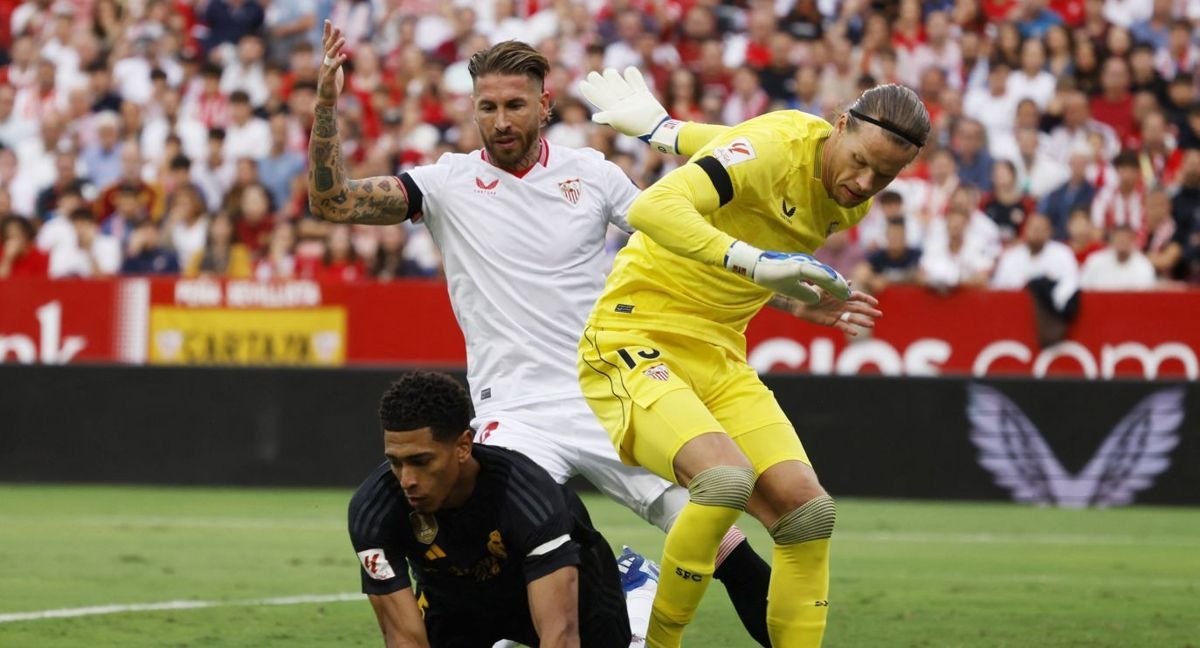
In football, the roar of the crowd, the flash of a brilliant goal – these are the moments that capt captivate us. But beneath the surface of every spectacular play lies a carefully constructed plan, a strategic ballet involving Jugadores Clave, Alineaciones y Tácticas (Key Players, Lineups, and Tactics). Understanding these three pillars isn't just for coaches and analysts; it's how you truly appreciate the beautiful game, moving beyond mere observation to a deeper comprehension of the chess match unfolding on the pitch. It's about recognizing the invisible threads connecting every pass, every run, and every crucial decision.
At a Glance: Mastering Football Strategy
- Formations aren't static: Teams like Brighton adapt their lineups (e.g., 4-4-2, 3-4-3, 5-3-2) based on opponents and game situations.
- Key players are more than just stars: They're specialists, leaders, and tactical linchpins (e.g., Lewis Dunk's defense, Szoboszlai's creativity, Wirtz's dynamic play).
- Tactics dictate how a team plays: From high pressing and possession to counter-attacks and zonal defense, these define a team's identity.
- Adaptation is crucial: Injuries (like Scotland's Lyndon Dykes) and in-game changes profoundly affect outcomes.
- Set-piece specialists matter: Penalties and corners can turn the tide, highlighting players like Toni Kroos, John McGinn, and Dominik Szoboszlai.
The Blueprint of Victory: Why Strategy Matters Beyond Talent
You might think football is simply about having the best individual players. While raw talent is undeniably important, it's merely one piece of a much larger puzzle. Imagine a symphony orchestra full of virtuosos, each playing their own brilliant melody – it would be chaos without a conductor, a score, and a coherent arrangement. In football, the manager is the conductor, the lineup is the arrangement, and tactics are the score.
Understanding the interplay of these elements allows you to predict outcomes, appreciate subtle shifts, and marvel at the strategic genius that unfolds over 90 minutes. It's about how players combine, how spaces are exploited or defended, and how a coach's vision translates into on-field action.
Decoding Formations: The Art of the Lineup
A formation is more than just a set of numbers; it's the foundational structure a team adopts on the pitch. It dictates player positioning, responsibilities, and how a team is likely to approach both attack and defense. But here's the crucial insight: modern football formations are fluid, not rigid.
Common Formations and Their Philosophies
Let's break down some of the most prevalent formations you'll encounter, keeping in mind that teams rarely stick to them religiously for an entire match.
- The Balanced Classic: 4-4-2
- Structure: Four defenders, four midfielders, two forwards.
- Philosophy: Offers a strong balance between defense and attack. The two lines of four (defense and midfield) create a compact shape, making it difficult for opponents to play through the middle. The two strikers provide a constant threat upfront.
- Strengths: Defensive solidity, good width with wingers, and multiple attacking options.
- Weaknesses: Can be outnumbered in central midfield against a 3-man midfield, potentially leading to less control in that vital area.
- The Offensive Juggernaut: 3-4-3 (or 3-4-2-1)
- Structure: Three central defenders, four midfielders (often with attacking wing-backs), three forwards.
- Philosophy: Heavily focused on attacking width and overwhelming the opponent's defense. The wing-backs provide natural width, pushing high to support the forwards, while the three central defenders offer a solid base.
- Strengths: Creates numerical superiority in wide areas, facilitates high pressing, and generates many goal-scoring opportunities.
- Weaknesses: Vulnerable to fast counter-attacks if wing-backs are caught high up the pitch, and the three central defenders can be exposed if the midfield isn't tracking back effectively.
- The Defensive Fortress: 5-3-2
- Structure: Five defenders (three center-backs and two wing-backs), three midfielders, two forwards.
- Philosophy: Designed to be defensively solid, closing down spaces and making it incredibly difficult for opponents to break through. The extra central defender provides robust protection, while the wing-backs contribute to both defense and attack.
- Strengths: Excellent for absorbing pressure, nullifying opposing attacks, and launching fast counter-attacks. Great for protecting a lead or playing against a superior attacking side.
- Weaknesses: Can lack offensive creativity and presence, potentially leaving the two forwards isolated if the midfield doesn't push forward quickly enough.
Real-World Flexibility: Brighton's Masterclass
Consider Brighton & Hove Albion, a Premier League team that embodies tactical flexibility. Under coach Graham Potter, they rarely commit to a single formation. Instead, they fluidly shift between formations like the 4-4-2 for balance, the 3-4-3 for offensive wing play and high pressing, and the 5-3-2 when prioritizing defense and midfield control. This adaptability allows them to tailor their approach to each specific opponent and the evolving conditions of a match, proving that modern football is about versatility.
The Maestros on the Pitch: Identifying Key Players
Beyond the numbers of a formation, specific players often act as the linchpins of a team's strategy. These "jugadores clave" aren't always the goal scorers; they can be defensive stalwarts, midfield generals, or creative sparks. Their individual qualities are amplified by the team's tactical framework.
Defensive Anchors and Leaders
Every great team needs a rock at the back. These players not only prevent goals but also organize the defense, communicate, and initiate attacks from deep.
- Lewis Dunk (Brighton): As captain, Dunk is Brighton's defensive leader, commanding the backline, making crucial interceptions, and being a threat on set pieces. His presence stabilizes the entire team.
- Yann Sommer (Switzerland/Inter): A top-tier goalkeeper like Sommer (19 clean sheets in 34 matches for Inter) is a key player not just for his saves, but for his distribution and organization from the back.
Midfield Generals and Creative Sparks
The midfield is the engine room of any team, responsible for winning possession, distributing the ball, and linking defense with attack.
- Yves Bissouma (Brighton): A versatile midfielder, Bissouma is key in both ball recovery and distribution, providing a crucial link between defense and offense.
- Florian Wirtz (Germany): A major talent with 11 goals and 11 assists in 26 Bundesliga starts, Wirtz forms a potent midfield duo with Jamal Musiala for Germany. His creativity and goal-scoring threat are vital.
- Jamal Musiala (Germany): Alongside Wirtz, Musiala is crucial for Germany's success, creating plays and driving the attack from midfield.
- Dominik Szoboszlai (Hungary): The undisputed talisman for Hungary, Szoboszlai not only dictates play but also handles penalties and corners, showcasing his all-around influence.
- John McGinn (Scotland): A driving force in midfield, McGinn is also Scotland's penalty specialist, underlining his importance in critical moments.
- Xherdan Shaqiri (Switzerland): Despite his MLS stats, Shaqiri's experience and ability to perform in big tournaments make him a key player for Switzerland.
Attacking References and Goal Threats
These are the players who put the ball in the net, but also create space, press defenders, and serve as focal points for the attack.
- Neal Maupay (Brighton): Maupay is Brighton's attacking reference, known for his speed, finishing, and ability to press defenders.
- Andrew Robertson (Scotland): While a left-back, Robertson drives Scotland's attack from the flank, delivering crosses and supporting forward runs.
- Maximiliano Mittelstädt (Germany): This left-back, who scored against the Netherlands, is a key offensive outlet, preferred over Raum for his dynamic play.
The Set-Piece Specialists: When Detail Matters
Goals from set pieces (free kicks, corners, penalties) can often be the difference in tight matches. Identifying these specialists is a vital part of tactical analysis.
- Penalties:
- Germany: Havertz, Füllkrug, Gündogan, Kimmich.
- Scotland: John McGinn.
- Hungary: Dominik Szoboszlai.
- Switzerland: Xherdan Shaqiri, Amdouni.
- Corners:
- Germany: Toni Kroos (known for his precision).
- Scotland: Andrew Robertson.
- Hungary: Dominik Szoboszlai.
- Switzerland: Vargas, Xherdan Shaqiri.
The importance of these individuals is highlighted in tournaments like Euro 2024, where every goal, especially from a set piece, can define a team's journey through Group A.
Tactics in Motion: From Training Ground to Match Day
While formations provide the structure, tactics define how a team uses that structure. These are the specific strategies employed to achieve objectives like scoring goals, preventing them, or controlling the flow of the game.
Playing Styles: The Team's Identity
- Ball Possession: Teams like Brighton emphasize keeping the ball, aiming to dictate the pace of the game, wear down opponents, and create openings through intricate passing. This often involves positional play to achieve numerical superiority in key areas of the pitch, allowing for better control and passing angles.
- High Pressing: Immediately after losing possession, a team employing a high press will aggressively close down the opponent in their own half, trying to win the ball back quickly. This tactic is physically demanding but can lead to turnovers in dangerous areas. Brighton also utilizes high pressing effectively.
- Fast Counterattacks: This tactic involves absorbing pressure, winning the ball deep in your own half, and then quickly transitioning into attack with speed and direct passes to surprise the opponent's unorganized defense. Brighton excels at fast counterattacks, often utilizing the speed of players like Maupay.
Defensive Strategies: Shutting Down the Opponent
- Zonal Defense: Players are assigned to cover specific areas or "zones" on the pitch rather than marking individual opponents. When an opponent enters their zone, they become responsible for marking them. This helps maintain team shape and close spaces. Brighton is known for its zonal defense to close down spaces effectively.
- Man-Marking: Players are assigned to directly mark specific opponents throughout the game, following them wherever they go. This can be effective in neutralizing key players but can create gaps if a marked player drags their marker out of position.
- Compactness: Regardless of zonal or man-marking, successful defenses prioritize compactness, meaning players stay close together to deny space between lines and make it difficult for opponents to play through.
Offensive Strategies: Breaking Down the Wall
- Positional Play (Juego de Posición): Beyond simple possession, this strategy focuses on players occupying specific areas to create passing triangles, numerical advantages, and clear routes to goal. It's about intelligent movement off the ball to open up defensive structures.
- Long Balls/Direct Play: While often seen as less sophisticated, well-executed long balls can bypass midfield battles and surprise defenses, especially when targeting fast forwards or winning aerial duels. Brighton sometimes employs long balls to surprise defenses.
- Overlapping Runs: Full-backs or wing-backs make runs past their wide midfielders to provide attacking width and deliver crosses, creating numerical overloads on the flanks.
Understanding these tactical approaches is key to appreciating a team's overall game plan. For instance, when you see Club América vs. LAFC matches, you're not just witnessing a rivalry; you're seeing a clash of coaching philosophies, each team deploying its unique combination of formations, players, and tactics to gain an edge.
The Unpredictable Game: Adapting to Adversity
Football is rarely a static endeavor. Injuries, red cards, moments of brilliance, or catastrophic errors can force immediate strategic adjustments.
- In-Game Adjustments: A good coach constantly analyzes the match, identifying weaknesses in the opponent or opportunities for their own team. This might involve switching formations, bringing on different types of players, or altering instructions during halftime or with substitutions. For example, if a team is struggling to break down a compact defense, a coach might switch from a 4-3-3 to a 3-5-2 to add more attacking presence in wide areas or create an overload in midfield.
- Impact of Injuries: The absence of a key player can dramatically alter a team's strategy. Scotland, for example, faced adversity in Euro 2024 Group A with key striker Lyndon Dykes out due to injury. This forced them to rethink their attacking options and rely more heavily on other players like McGinn and Robertson to drive their offense. The ability to adapt to such setbacks defines a team's resilience.
Beyond the Whistle: The Coach's Vision
Ultimately, Jugadores Clave, Alineaciones y Tácticas are the tools of the trade for the most important figure behind the scenes: the coach or manager. Their role extends far beyond picking a starting XI.
- Philosophy and Identity: A coach instills a distinct playing philosophy in their team. This dictates the general approach – whether it's an attacking, possession-based style or a more defensive, counter-attacking approach.
- Scouting and Opponent Analysis: Before every match, coaching staff meticulously scout the opposition, identifying their strengths, weaknesses, preferred formations, and key players. This intelligence directly informs the tactical plan for the upcoming game.
- Training Ground Implementation: Tactics are drilled on the training ground, often through repetitive exercises and situational simulations, ensuring players understand their roles and responsibilities within the chosen system.
- Man-Management: Beyond strategy, coaches must manage individual player personalities, motivations, and fitness, ensuring everyone is performing at their best and understands their role within the larger tactical framework.
Common Misconceptions About Football Strategy
Let's clear up some common misunderstandings that can obscure your view of the tactical battle.
- "It's all about individual talent."
- Reality: While individual brilliance can win moments, sustained success comes from a cohesive team operating within a well-defined strategy. A collection of stars without a plan often underperforms. Think of it like a puzzle: you need all the right pieces, but they also need to fit together correctly to form the complete picture.
- "Formations are rigid and never change."
- Reality: As we've discussed, modern formations are highly fluid. They can change multiple times within a single match, either due to substitutions, in-game tactical tweaks by the coach, or player movement that naturally alters the shape. A 4-3-3 in attack might become a 4-5-1 in defense.
- "Tactics only matter for top teams."
- Reality: Strategy is crucial at every level of football, from grassroots to the Champions League. In fact, for teams with fewer individual resources, superior tactics can be the ultimate equalizer, allowing them to punch above their weight and compete with more financially powerful opponents. Hungary, for example, surprised positively in qualification for Euro 2024, proving that a well-drilled, underestimated team can achieve significant results.
Mastering the Game: Your Next Steps in Understanding Football
By now, you should have a more profound appreciation for the strategic depth of football. It's a game of chess, played at blistering speed, with each player a piece and the coach a grandmaster.
To truly deepen your understanding, try these approaches:
- Watch with a tactical eye: When you next watch a match, don't just follow the ball. Observe how players move off the ball. Are they closing down spaces? Are full-backs pushing high? How does the team react when they lose possession?
- Focus on specific players: Pick a key player (like a defensive midfielder or a center-back) and observe their role throughout the game. How do they influence the team's shape, defense, and attack?
- Read match reports beyond the score: Look for analyses that discuss formations, tactical changes, and the impact of specific player performances.
- Experiment in video games: If you play football video games, experiment with different formations and tactical instructions to see their effects in a simulated environment. This can be a fun way to grasp concepts.
The beauty of football lies not just in its athleticism and skill, but in its infinite strategic possibilities. By peeling back the layers of Jugadores Clave, Alineaciones y Tácticas, you unlock a richer, more engaging way to experience the world's most popular sport. Keep learning, keep watching, and you'll find a whole new game opening up before your eyes.